

The theatre is called The Glitch, but there were no glitches in the solo show by feisty Italian actress Elena Mazzon last night, The Popess. What we did get was a bold, eccentric and uneven hour of history, comedy and ritual, all wrapped up in the unlikely tale of a forgotten sect that once dared to imagine a female Christ.
Settling into the arc of seating, the audience is centred around the true story of the Guglielmites – a 13th-century cult who believed that Christ would return as a woman. The Chief herself, Guglielma of Bohemia, was proclaimed by her followers to be the second coming of the Holy Spirit. After her death, her disciple Sister Maifreda went so far as to crown herself the female Pope. It’s a strange, delicious slice of hidden history that few of us in the audience knew beforehand, and Mazzon relishes the chance to bring it roaring back to life.
As both writer and sole performer, Mazzon shoulders everything. She takes on all roles – Guglielma, Sister Maifreda, the nervous would-be heretic, the gossipy villager who treats sect meetings as a dating service, the zealot drunk on newfound faith – and of course the Popess herself. With only minimal staging, it’s her voice, body and energy that conjure this forgotten world, and she proves adept at flipping between tones and characters, and she is convincing enough so you don’t question the genuine appeal of belonging to a movement that promised liberation through spirituality.
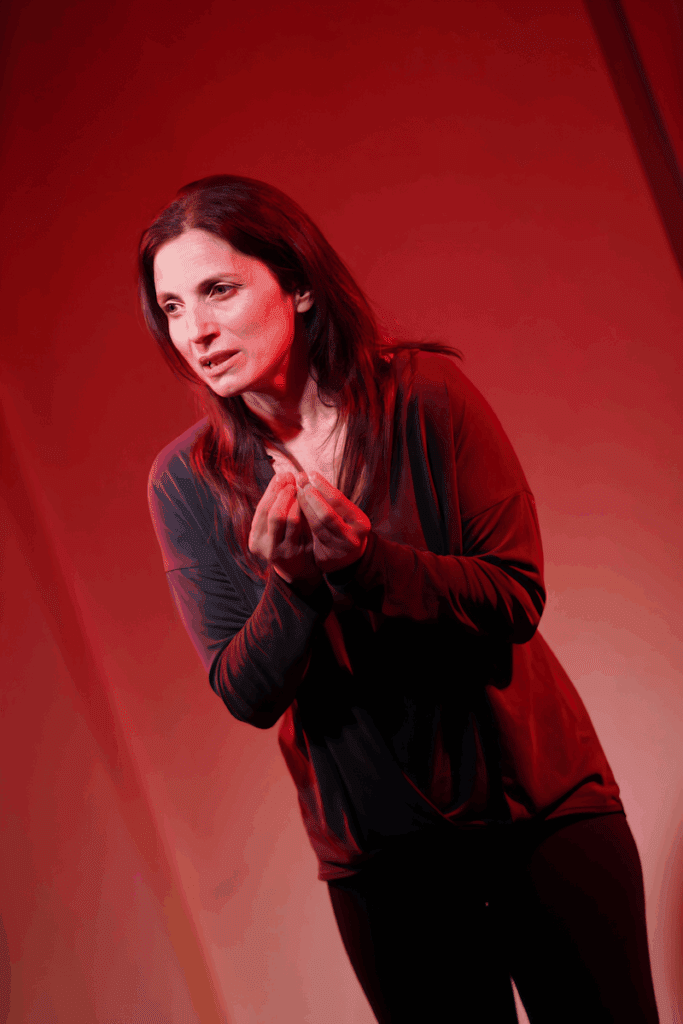
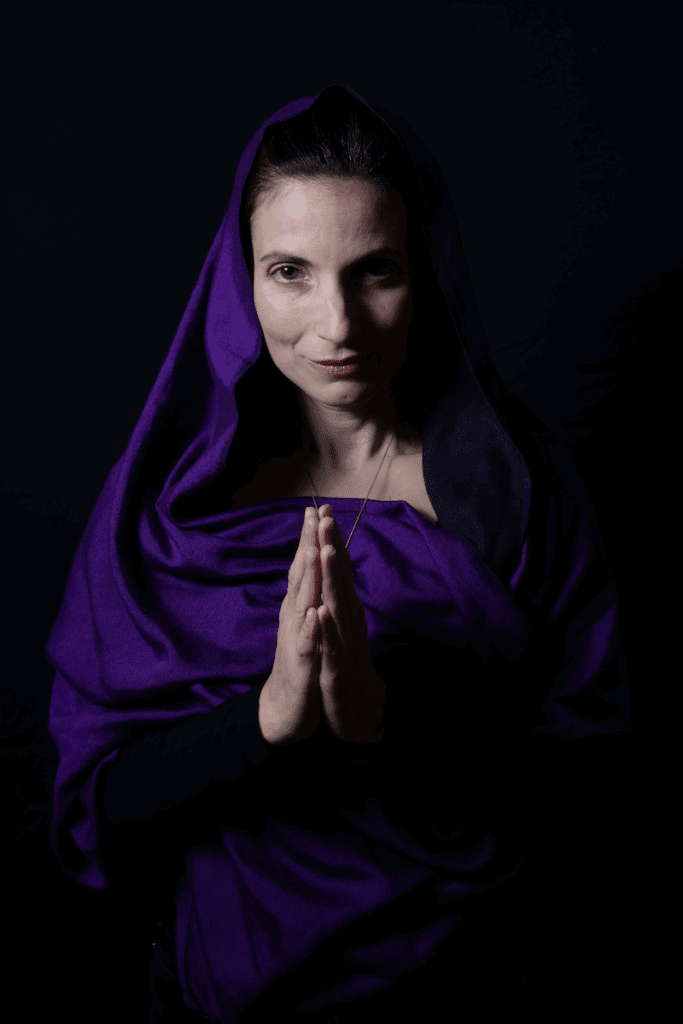
The performance style is highly physical – even stand-up at times – and audience participation is central. Early on, this feels playful, with the “congregation” roped into becoming fellow believers. Mazzon works hard to draw us in to make us complicit in the sect’s rise. But as the story progresses, cracks appear.
The narrative of the unnamed female follower who frames the piece – a woman haunted by her mother’s death in childbirth and drawn to the sect in search of meaning isn’t fully explored, and the discussion post shows that my friend and I both hadn’t really got it. Mazzon’s conversion feels rushed, and her relationship with faith never quite resonates as her ultimate goal – instead, the show leans on the spectacle of performance.
Things come to a head in the second half (no interval) when the congregation/audience is herded into a prison cell. Here, Mazzon demands to know whether audience members have “been in here before.” It’s meant as a cheeky improv flourish, but it falls flat, not least because of the random, ambiguous regional accent she puts on for the jailer.
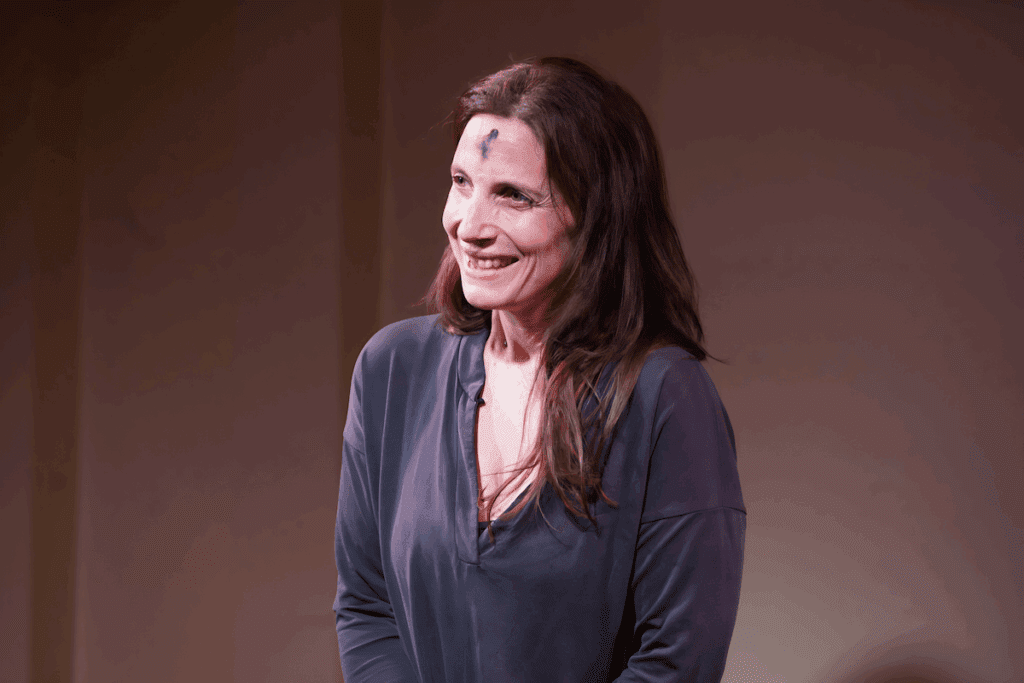
From there, the piece slips more firmly into stand-up territory. The audience is taught to sing a hymn to Guglielma, and one “lucky” volunteer is handed a confession of their crimes to read aloud. These devices are clearly meant to spark solidarity with the condemned sect, but the payoff is minimal when the groundwork hasn’t been laid to make us feel spiritually invested in their fate.
The show flirts with big, chewy themes – the power of belief, the courage of heresy, the risks women take in demanding spiritual authority, but never properly wrestles with them. Mazzon even asks the audience to supply their own answers to the question of why people are willing to die for faith, but doesn’t risk offering her own. It feels like a missed opportunity, given how much fire is in the story itself.
Ultimately, The Popess is more intriguing for the history it revives than for the theatre it creates. Mazzon is a charismatic performer, but charisma alone can’t disguise the fact that the piece never quite decides what it wants to be. Is it a history lesson, a comedy set, or a spiritual reckoning? At present, it’s a muddled mixture of all three – entertaining in moments, but lacking the depth or tonal clarity to truly inspire
Catch it now at The Glitch. To book The Popess see online.