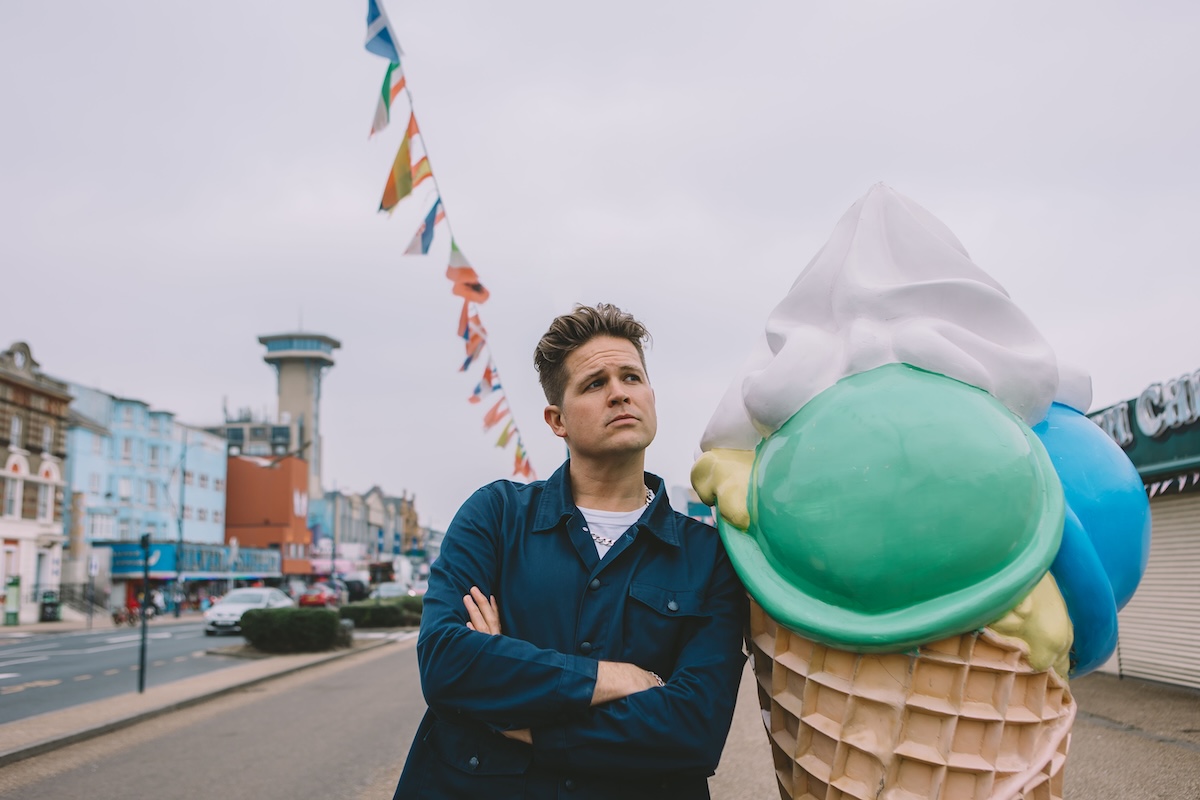
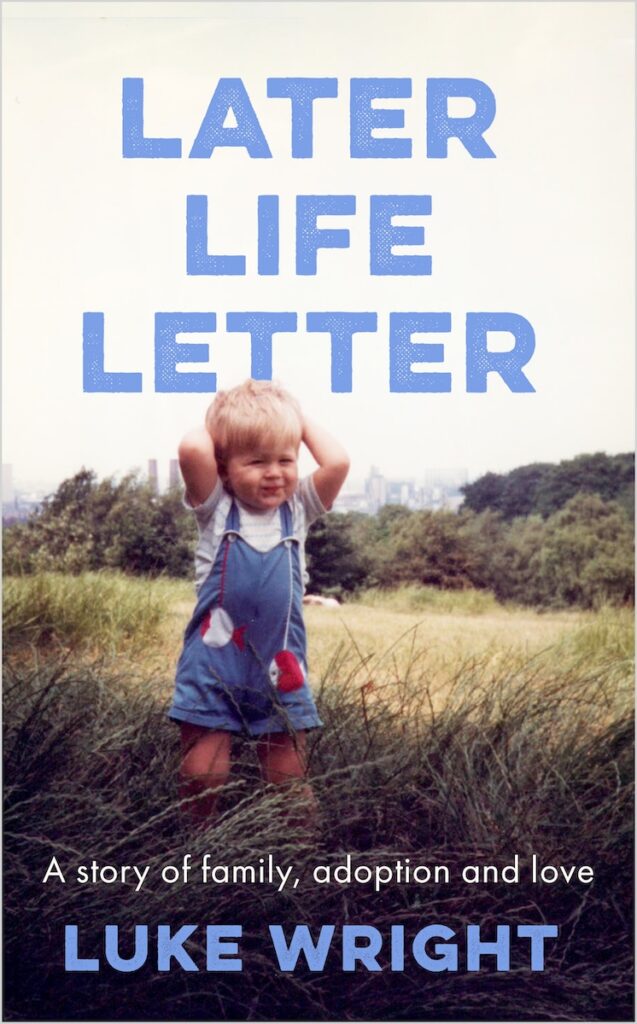
I went to Luke Wright’s latest book launch, Later Life Letter, at Brighton’s Komedia on a wet and miserable night, not really knowing what to expect. I came out with my emotions having been through the tumble dryer, buzzing as I’d just been to a club, and, to my surprise, a little bit obsessed with poetry.
First Impressions and a Spoken-Word Masterclass
The evening was evenly split into two halves. The first served as an introduction to Wright’s earlier work — a kind of greatest-hits sampler. For a newcomer like me, it was an upbeat showcase of the craft that has made him an icon in the spoken-word world. This is a man who has warmed up for John Cooper Clarke, occasionally MC’d for The Libertines, and popped up more than once on Radio 4.
My friend and I secured seats close to the front and were rewarded with a bird’s-eye view as we lapped up a smorgasbord of Wright’s ingenious, technical wordplay. From a story built entirely from words containing the vowel “O” — as entertaining as it was witty — to a sonnet made up solely of words beginning with “D”, which sounds gimmicky on paper but on stage was delightful, clever and genuinely laugh-out-loud funny.
Performance Poetry Without the Pretension
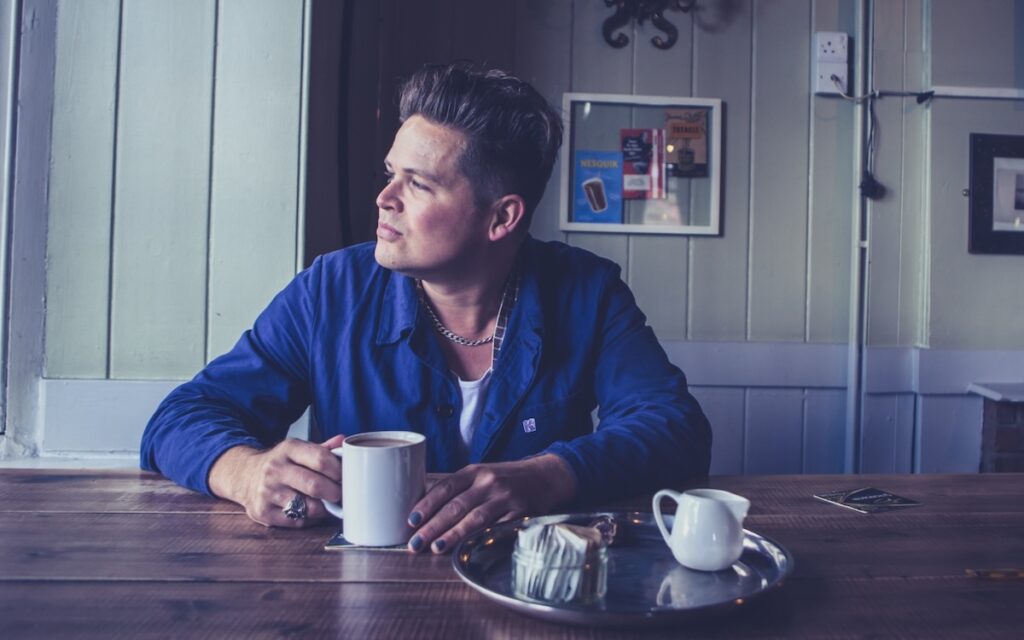
Easy on the eye and undeniably charismatic, it’s no wonder Wright has legions of new-generation poetry fans. His work couldn’t be further removed from the stuffy Keats or Wordsworth that may have put you off at school, and seeing him live is the icing on the cake. He doesn’t just read poems, he performs them, with a stand-up comic’s timing, a storyteller’s eye for detail and a poet’s ear for rhythm.
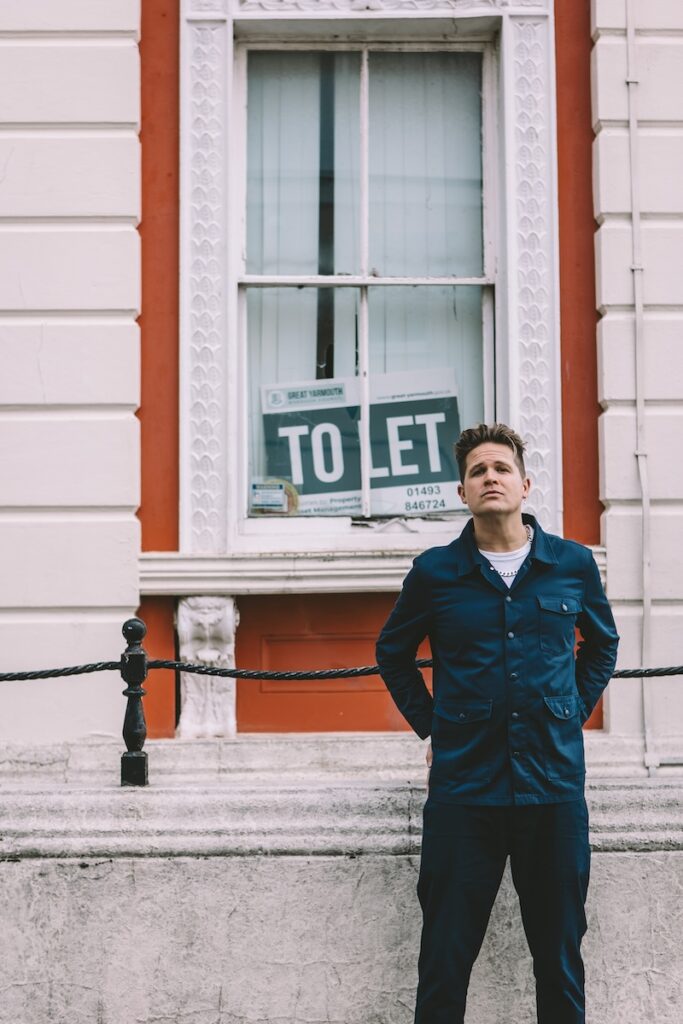
Even when he’s showing off extraordinary verbal dexterity, it never feels arrogant. Instead, it feels intimate, as though he’s talking directly to you.
By the time our cheeks were aching from laughing, we were all ready for the interval — a much-needed pause to digest what we had just witnessed.
Later Life Letter and the Story at Its Heart
Part two is where Later Life Letter truly comes into its own. The show centres around Wright’s own “later life letter”, the document given to adopted children once they are old enough, explaining their origins, birth family and the reasons they were adopted. Wright was adopted at five weeks old, and both his book and this performance use that letter as a springboard to tell the story of his life, while also imagining the lives he might have lived had his birth mother kept him.
What followed was funny, tender and quietly devastating. He spoke about growing up in Highgate and later Suffolk; about his mum and dad; and about his younger brother Scott, who was adopted later by the same parents. There was never any question of the love within the family that raised him, yet threaded throughout was a gentle, persistent curiosity about the woman who gave birth to him, and the brothers he never knew.
The Primal Wound and Moments of Stillness
One of the most powerful moments came when Wright introduced the concept of the “primal wound”, the theory that even in the most loving adoptive homes, a child carries a lasting emotional imprint from being separated from their birth mother. He approaches this not with accusation or melodrama, but with honesty and compassion.
When he described accidentally finding his birth mother on Facebook, the room fell utterly silent. Simply knowing a few details about her life, he explained, brought him a sense of peace, small but profound form of healing.
From self-deprecation to slipping seamlessly between characters, recounting his story of being born in a council flat to a mother who didn’t even realise she was pregnant, there wasn’t a moment that didn’t feel relevant as he laid himself bare.
Politics, Belonging and Modern Britain
Further reasons to fan-girl included Wright’s personal opinions and left-wing politics, which he threaded naturally through his storytelling. His reflections on modern Britain, class and inequality never felt preachy; instead, they emerged organically from his ongoing search for belonging in a country that often overlooks its most vulnerable.
Laughter, Loss and the Lives We Might Have Lived
Throughout the two-hour performance, Wright masterfully balanced humour and emotion. One moment, we were laughing at his verbal acrobatics; the next, leaning forward in silence as he reflected on identity, love and the lives we might have lived.
One line stayed with me long after the show ended: the lives we choose and the lives chosen for us.
As someone who had never experienced performance poetry before, this felt like discovering something entirely new — relevant, streetwise and alive. It wasn’t flouncy, flowery or pretentious. This was spoken-word poetry that was political, personal, messy, funny, brave and full of heart.
By the end of the night, I didn’t just admire Luke Wright — I wanted to read everything he’s ever written.
If you catch the UK tour of Later Life Letter, do it. You won’t regret it. Check his UK dates here.