
When we arrived in Mexico’s northern city of Chihuahua, it felt like stepping out of the dust of the Copper Canyon and into a place that wanted to tell us a story. After riding the famous El Chepe train through peaks and gorges where horses outnumber cars, we found ourselves blinking at baroque stonework and the sound of church bells. This wasn’t just another stop on the line but our final destination, the sprawling city from which the state gets its name.
Rich with epic tales of noteworthy deeds and the rewards of an enviable agriculture industry, Chihuahua has a lot to offer, but is often overlooked by tourists in favour of familiar destinations such as the Baja Peninsula or Riviera Maya. Take it from me, the beaches in Mexico are wonderful but so are the mountains, the canyons, the plains and the jungles… suffice to say, it’s an awfully big place for visitors to just ignore the bits between those sparkling shores.
So what’s in Chihuahua? Let me pour you a glass of sotol, and I’ll explain.
Where to Stay in Chihuahua
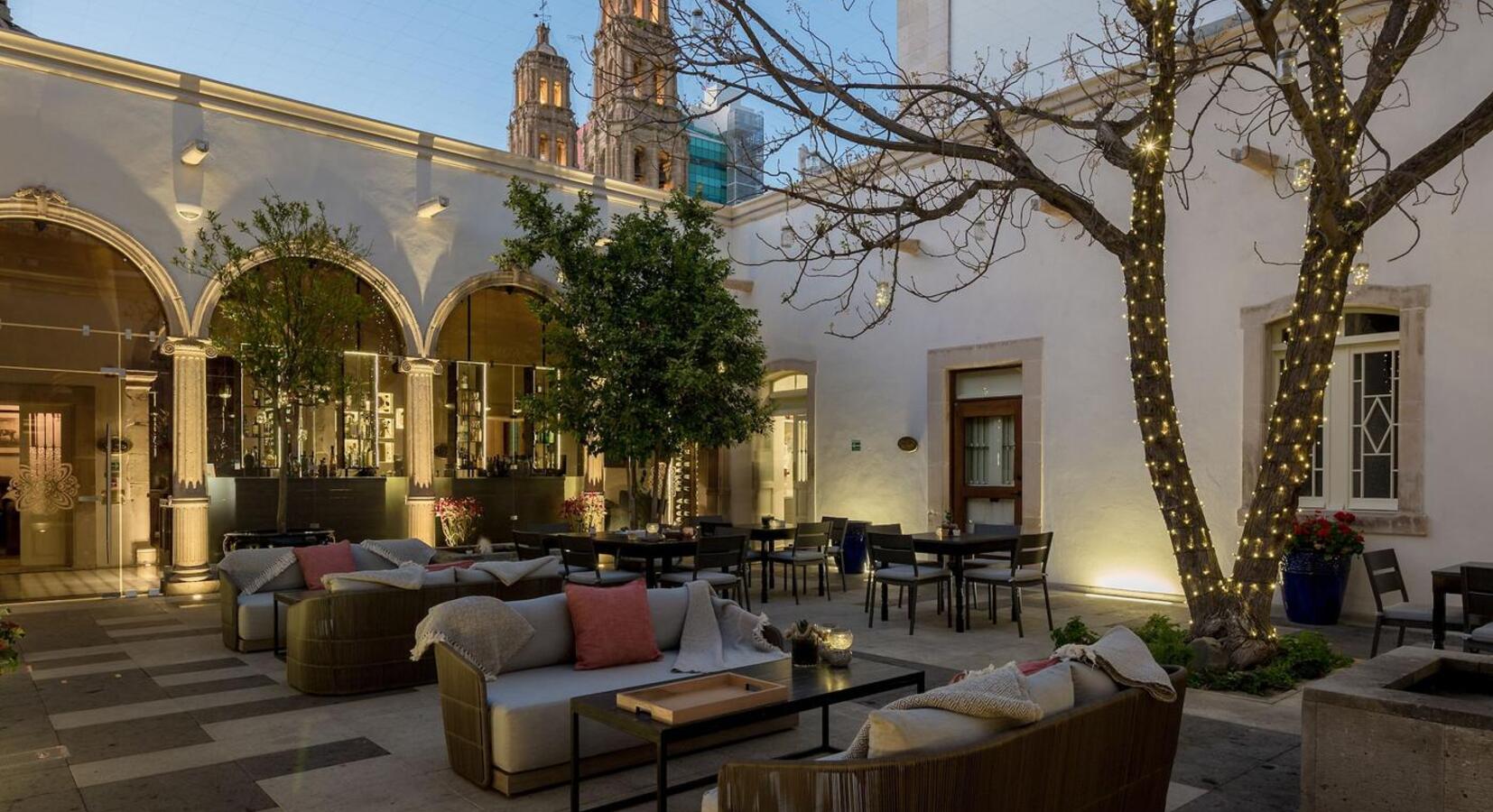
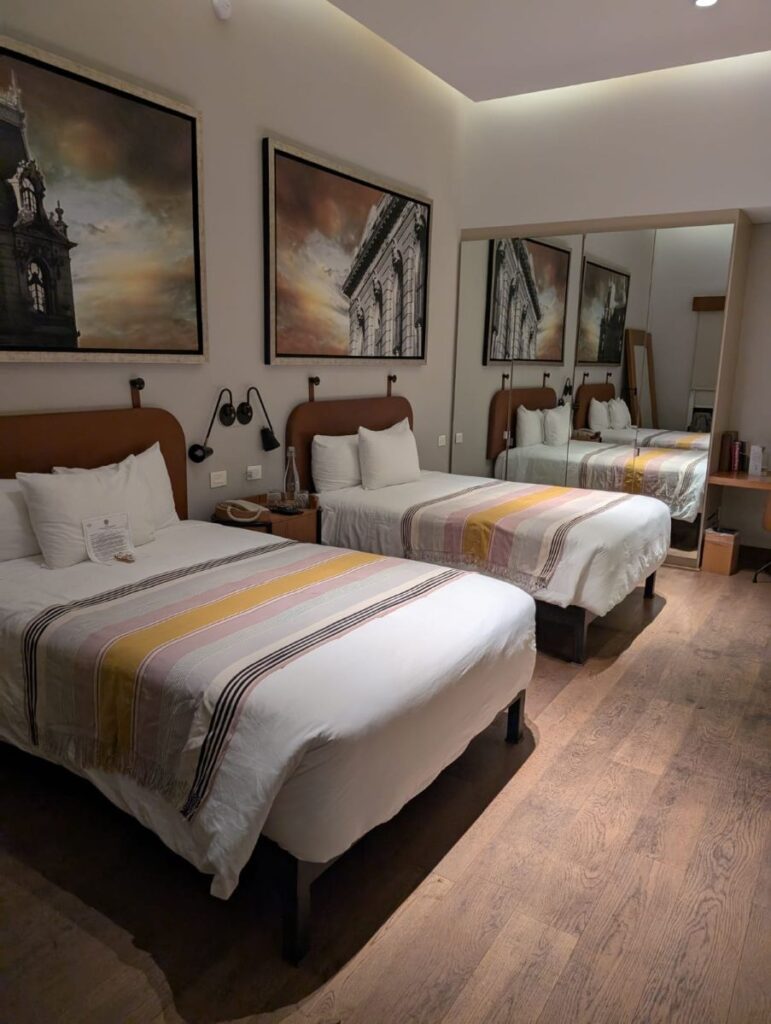
We made our base at the Hotel Central Boutique, located right next to the cathedral. Staying here felt a little like sleeping in the front row of a theatre, with the busy central plaza just outside (but inaudible from our room!). The hotel itself is small but full of character, an old building with modern twists and warm touches, clearly understanding that travellers need comfort, WiFi and a sense of place.
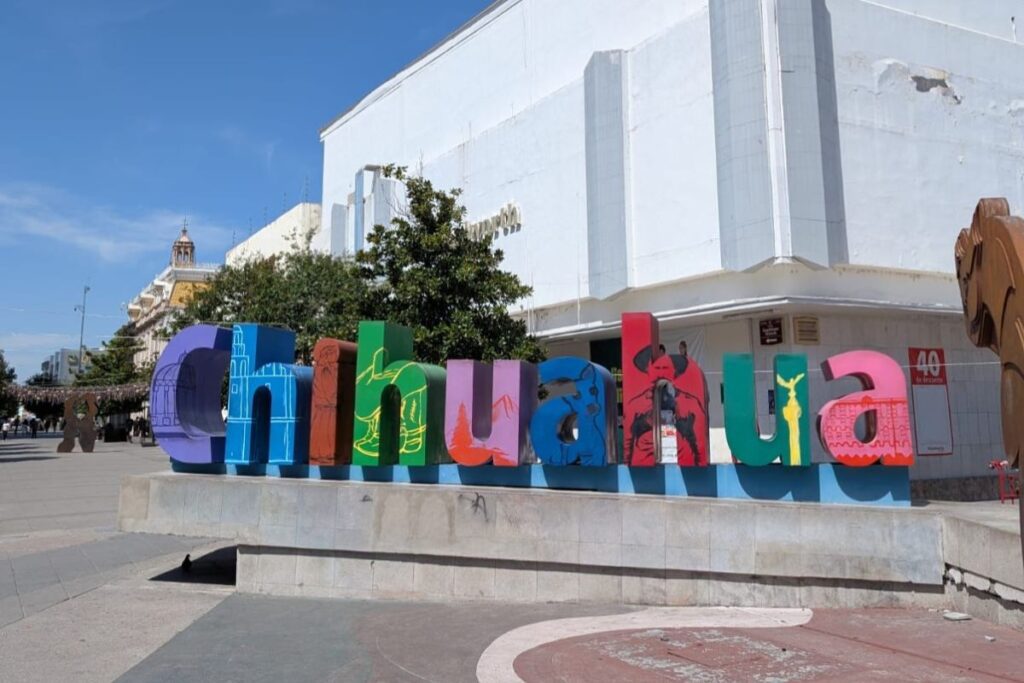
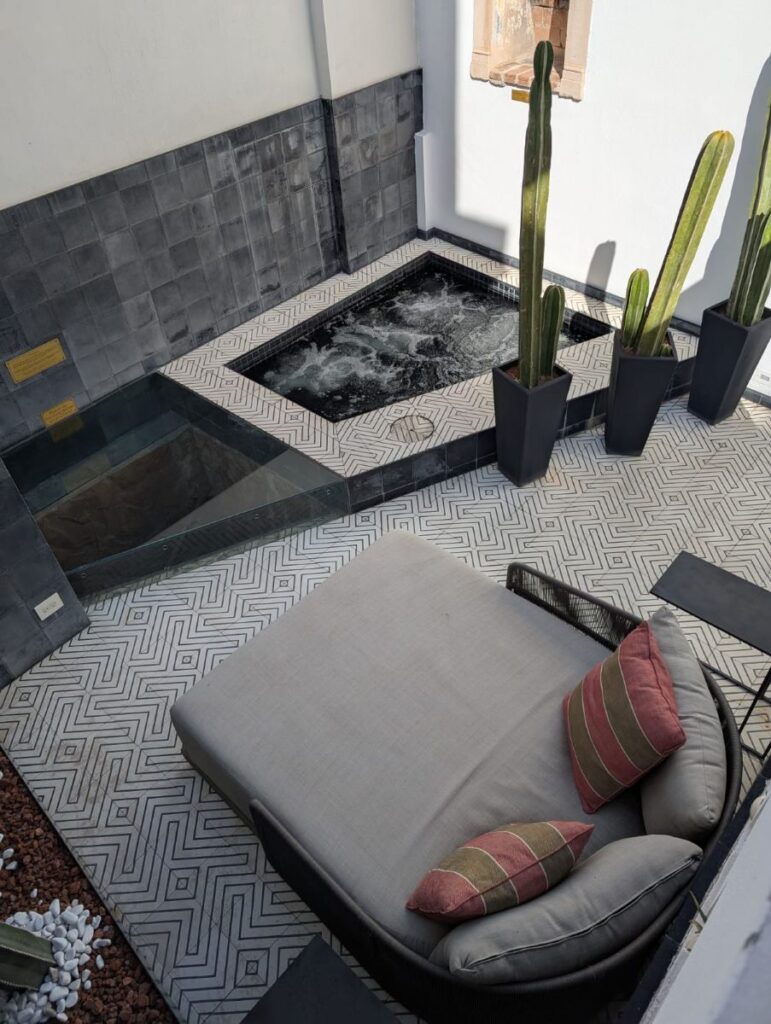
The Hotel Central Boutique has a central courtyard decorated with fairy lights, and there’s a jacuzzi pool and daybed in a little mezzanine terrace nook. We had some drinks, served by the lovely Santiago – I recommend a cold Pacifico or a sotol margarita. Our room, named after the tragic Mexican poet, Manuel Acuña, was sleek, with comfortable mattresses and a bathroom with natural light (a rarity even in five stars!), as well as some prints showing details of local architecture. In Chihuahua, this is a great hotel to anchor yourself: central, comfortable, and infused with a blend of contemporary and historic charm.
What to Do in Chihuahua
If cities had personalities, Chihuahua would be the charming raconteur at the table – a little grandiose, a little mischievous, and never short of a good story. There’d be a moustache that spoke of rugged adventure and devilish charm. The city has slightly dusty cowboy boots and a lot of tales to tell; it’s definitely worth getting to know.
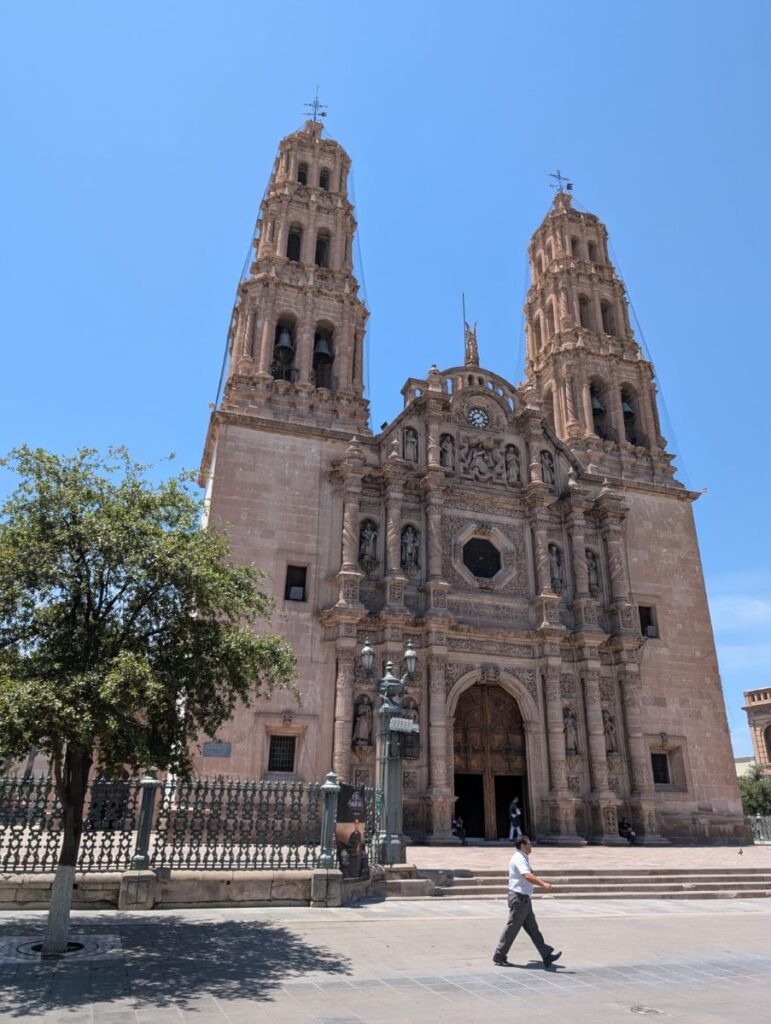
In the centre, there are a few things that you must see. The first is the Cathedral of Chihuahua, which sits in the heart of the city. Its façade is all carved drama and dusty grandeur, but step inside and the hush wraps around you like velvet. We lingered longer than expected, caught in the sonorous chanting of mass and enjoying the cool air while the temperature soared outside.
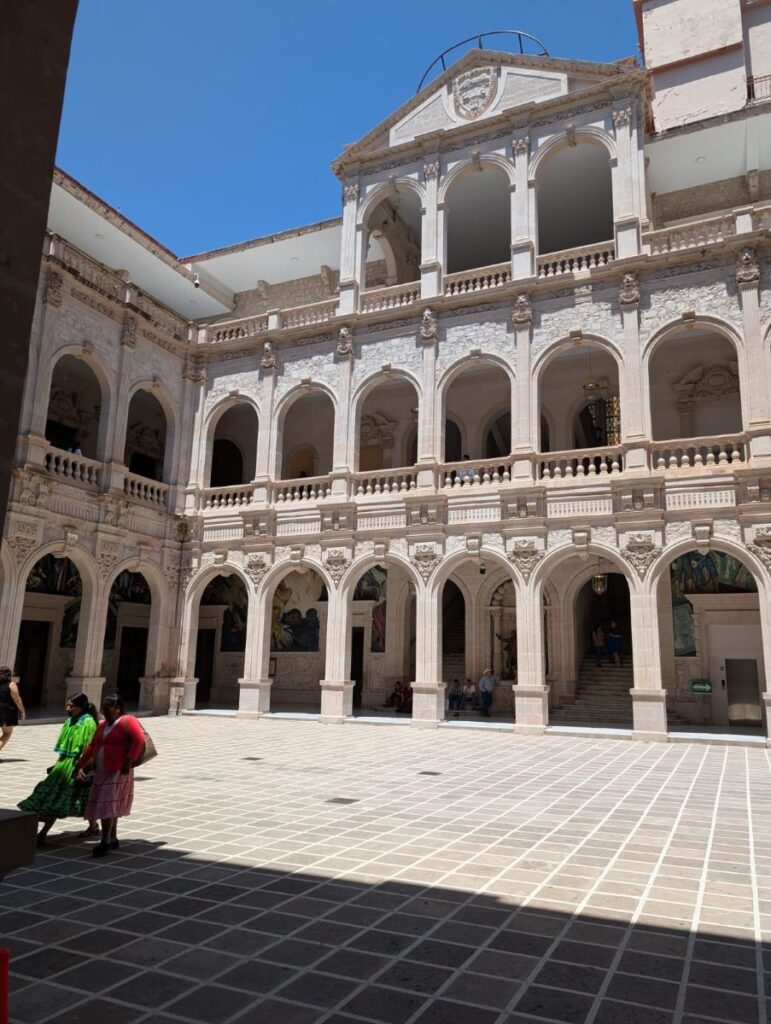
From there, we wandered to the Government Palace, which is far less stern than its name suggests. The murals by Aarón Piña Mora turned the walls into an epic tale: history splashed across plaster, rebellion painted into corners, and the place of revolutionary Miguel Hidalgo’s execution was commemorated. We were also lucky enough to be invited to see the state governor hand over a standard and wish luck to the team of Rarámuri who were going to represent Chihuahua’s indigenous people at the Masters Indigenous Games. The hall was full of the bright colours of Rarámuri traditional clothing, which they also wear to compete in the games, and it was encouraging to see the genuine efforts that Chihuahua state is making to be inclusive without eradicating the culture’s uniqueness.
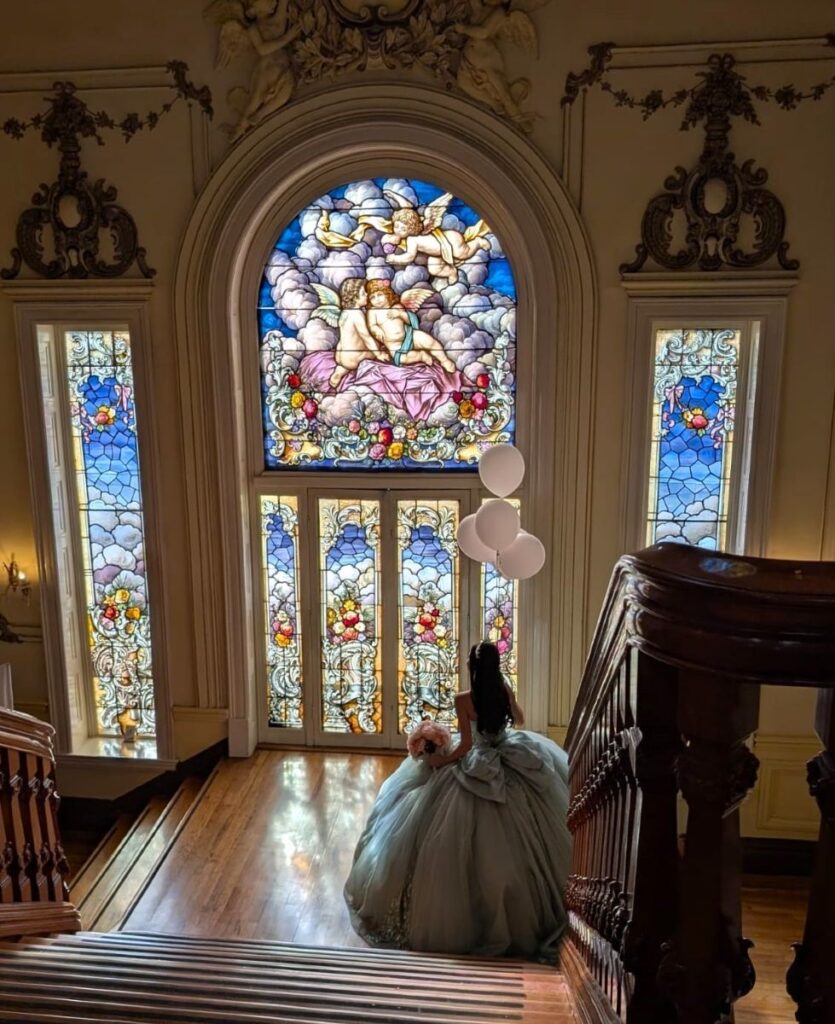
We also visited Quinta Gameros, an Art Nouveau mansion that seems to have floated in from Paris, but became even more magical when gilded by the desert light. Every room whispered decadence with curled architectural features and grand wooden furniture. We padded through colours cast on the floor from stained glass windows and admired the recreated historical rooms, imagining soirées where people discussed modernism while sipping something dangerously strong, possibly sotol (keep reading for more on this!).
What to Eat and Drink in Chihuahua
Food in Chihuahua is hearty and honest. We visited a restaurant and butcher called Cortos Fines Añejos, where ageing steak tempted us from rows of fridges and groups of lively locals were enjoying enormous platters with all the trimmings while watching a TV showing rodeo competitions. The meat, as you might expect in vaquero country, is really excellent in Chihuahua – take your time, or the portions will defeat you.
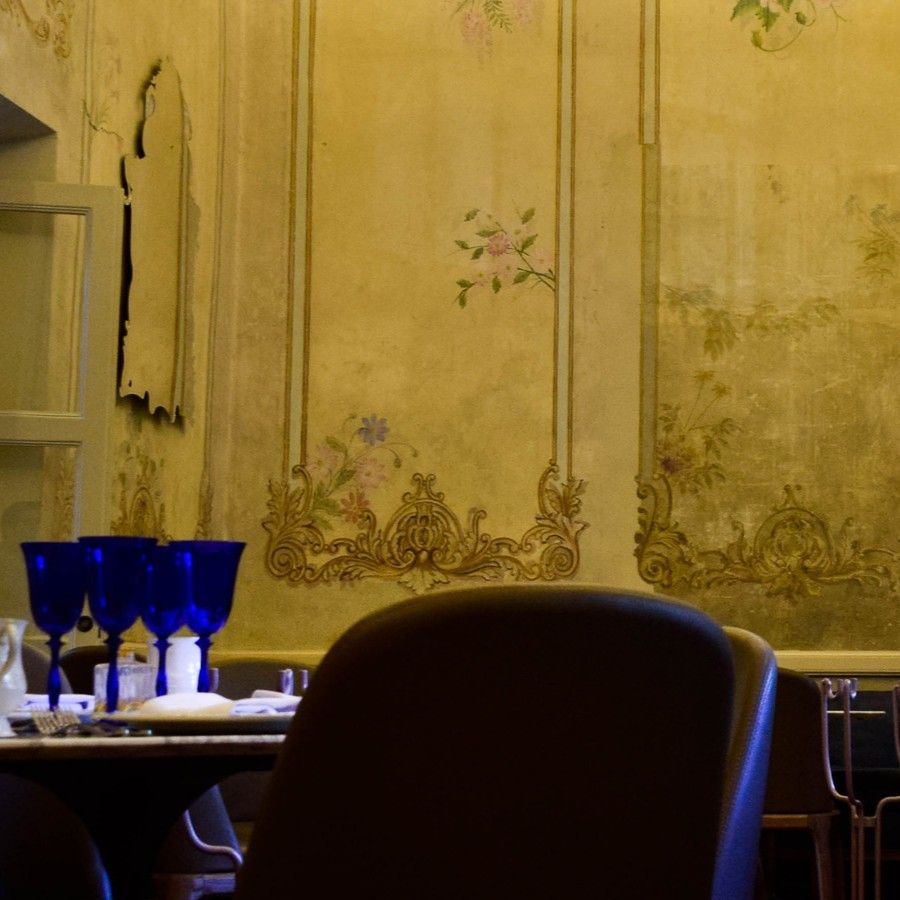
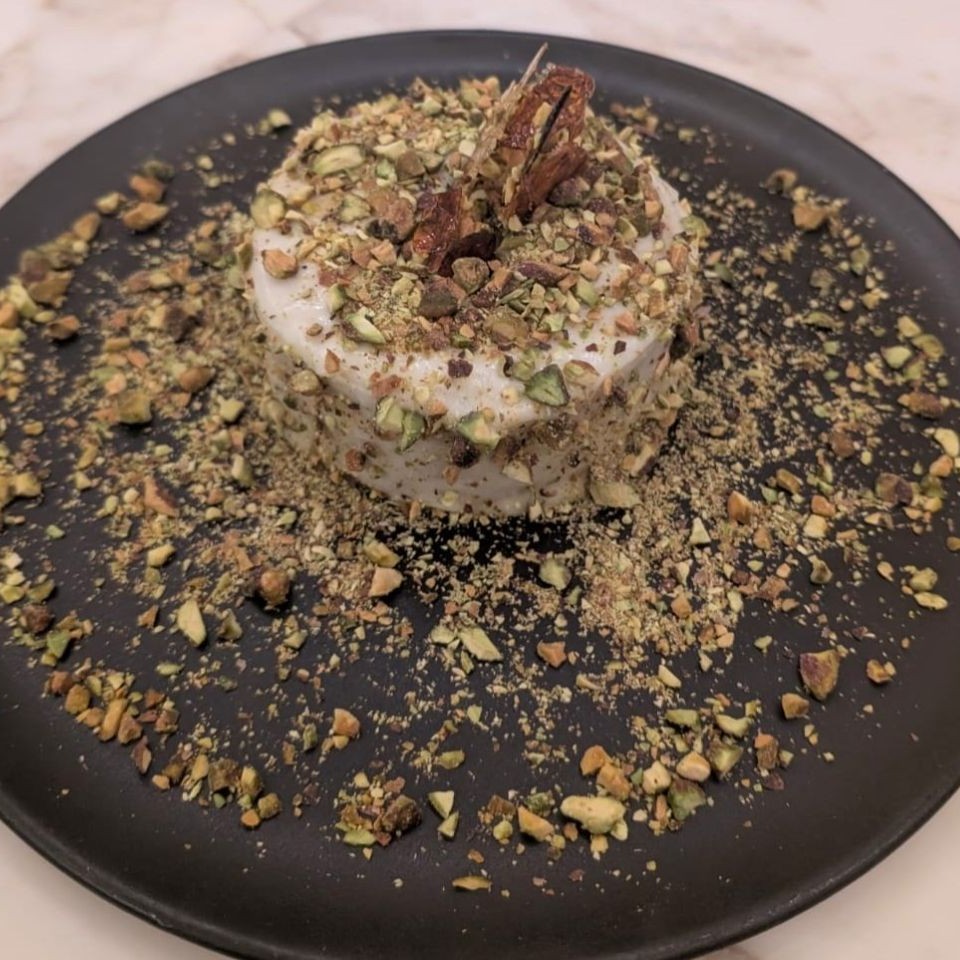
El Poeta Restaurante at Hotel Central Boutique is also worth a mention. Waiter Salas took good care of us and we enjoyed some lighter options (after the steak feast of lunchtime, the roasted beetroots were a very welcome contrast!). We also attempted a dessert, but were again beaten into submission by the pistachio cake, which was clearly enough for a small birthday party. Delicious, but do not order without asking about size! This restaurant has an aged baroque vibe to it, with curled frames as decoration on the wall and subtle floral art that hints at French springtime.
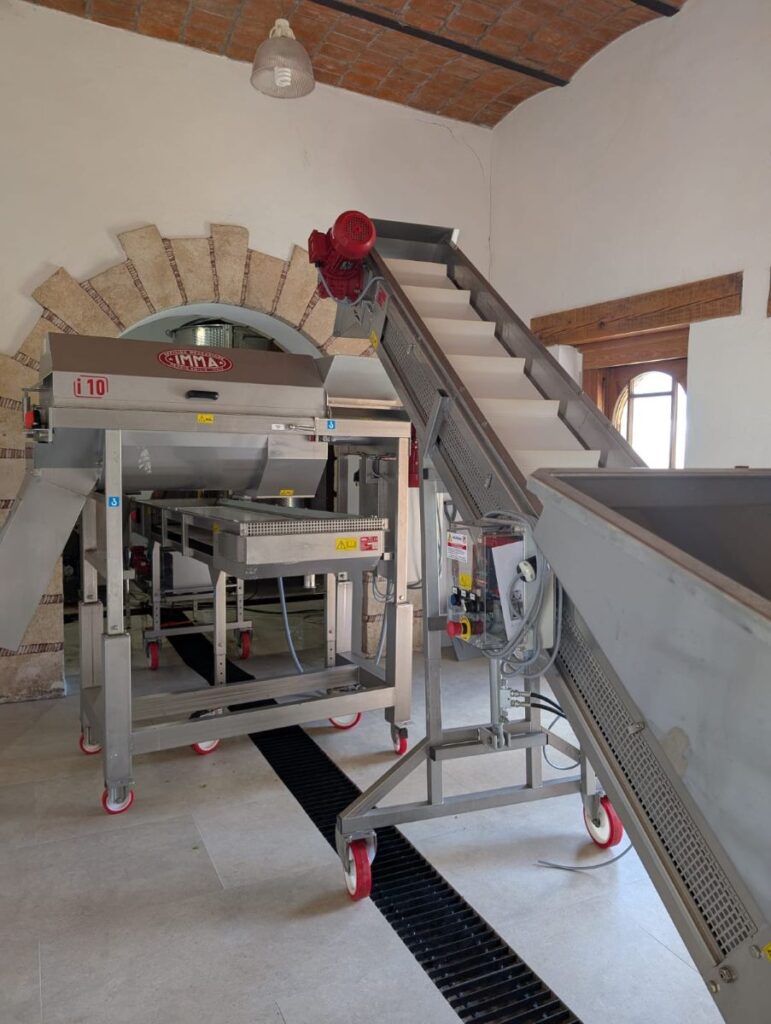
Our favourite discoveries weren’t the public sights. As with any place, get off the beaten track and, best of all, let friendly locals invite you to experience the city through the food they love! Once our friends knew we like a drink (safely and responsibly, of course), they invited us to meet more wonderful Chihuahuans at Hacienda Las Ruelas and Casa Ruelas, sisters of grape and spirit, where the same family produces a range of drinkable delights. At the hacienda, we tasted their wines, sold under the brand Tres Ríos, which grows four red grapes and a chardonnay that was deliciously creamy and rich. The pressing and fermenting equipment is available for other local growers to hire, so curiosities like blackberry wine are also being made here.
Lunch followed: a home-cooked meal by the owner of Hacienda Las Ruelas, Consuelo, served with the kind of hospitality that reminded us why travel is never just about buildings. As well as several rich stews to fill endless tacos, the coctel de carne seca, a kind of cold consommé with local dried meat called machaca, was really intensely flavoured – I’ll be trying to recreate this one at home. The Tres Ríos Malbec was paired with a quince tart at the end of the meal, and I, for one, was a little reminded of Christmas as the group of us revelled around a big table.
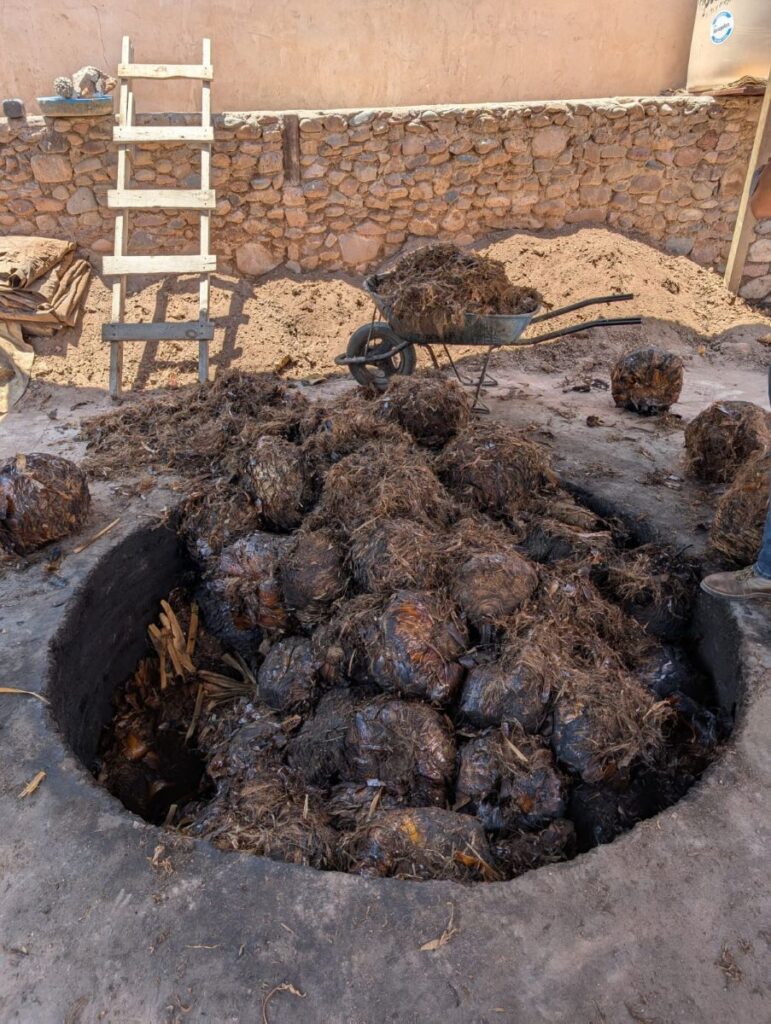
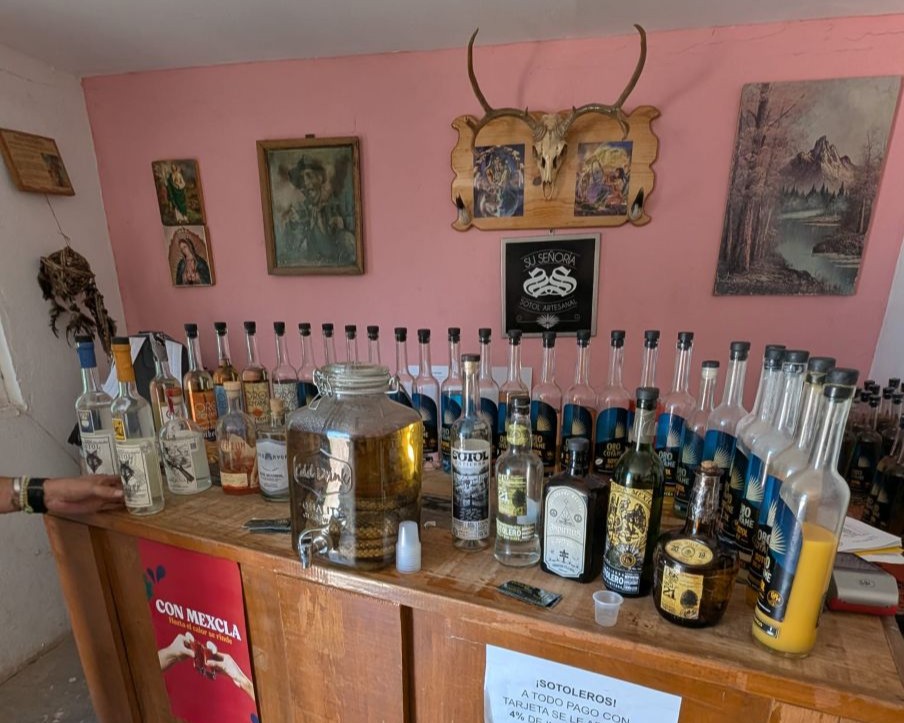
We also visited the Casa Ruelas distillery, where the focus shifted to sotol, Chihuahua’s spirit cousin to tequila. While batting away the odd mozz, we listened to Viktor explain how the dasylirion plant (more closely related to alliums than cactus) is prepared, and this distillery has diversified from a time when they buried bottles during Prohibition to using the spirit to produce liqueurs, aged pours and even a big jug of firewater with a rattlesnake in it. Of course, we tried it; we concluded it’s not to be messed with! We swirled, sipped, and agreed that this was the city at its vibrant and warm.
Consider this the most crucial piece of advice in this Chihuahua guide – don’t just tick off the monuments. Let someone pour you a drink, tell you a story, and remind you that cities are best tasted, not just toured.
The best of Chihuahua
Chihuahua may not draw so many tourists as Mexico City or Guadalajara, but that’s part of its charm. The welcome from this city is certainly just as warm, and the stories are just as engaging; in fact, when Chihuahua sidles up and offers you a glass, before you know it, you’re planning to stay longer.
We arrived as passengers from the canyon, dusty from trains and tingling from cool mountain air. We left with murals in our heads, the taste of sotol on our tongues, and the sense that the Chihuahua locals had invited us to join its ongoing story. If you take only one thing from this Chihuahua guide, let it be this: come curious, linger, and let the city surprise you. Chihuahua isn’t just a stop on the map. It’s a tale you’ll want to keep telling long after you leave.