
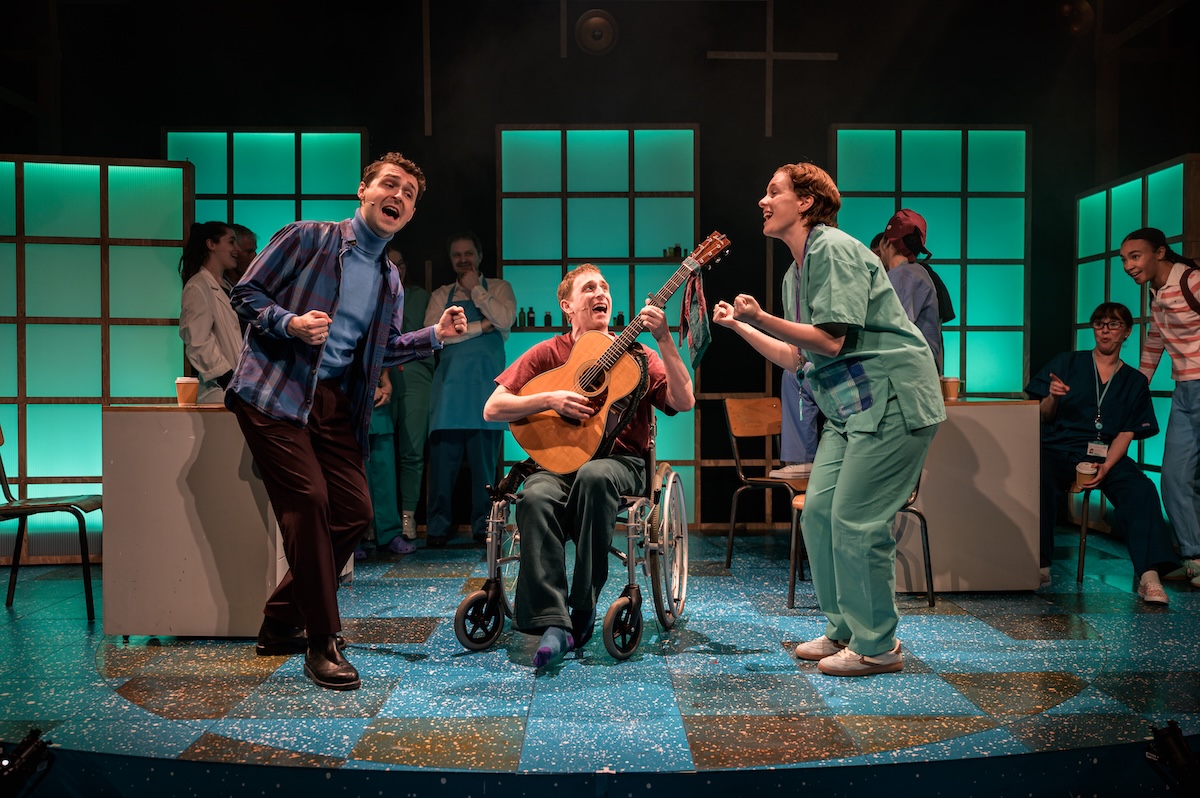
Who knew penicillin would one day get booked in for a musical makeover? Not content with saving millions of lives, it has now been catapulted out of the medical orbit and into the mainstream, complete with dedicated songs, a potted history and a full cast of actors in order to immortalise its importance in the 21st century.
From Scientific Breakthrough to Stage Production
“Lifeline”, the musical from Scotland’s Charades Theatre Company, is based on a book by Becky Hope-Palmer, with lyrics by Robin Hiley. It arrives at London’s Southwark Playhouse Elephant with admirable intentions, and the rather niche prestige of being the first musical ever staged at the United Nations.
A Dual Timeline That Tests Attention
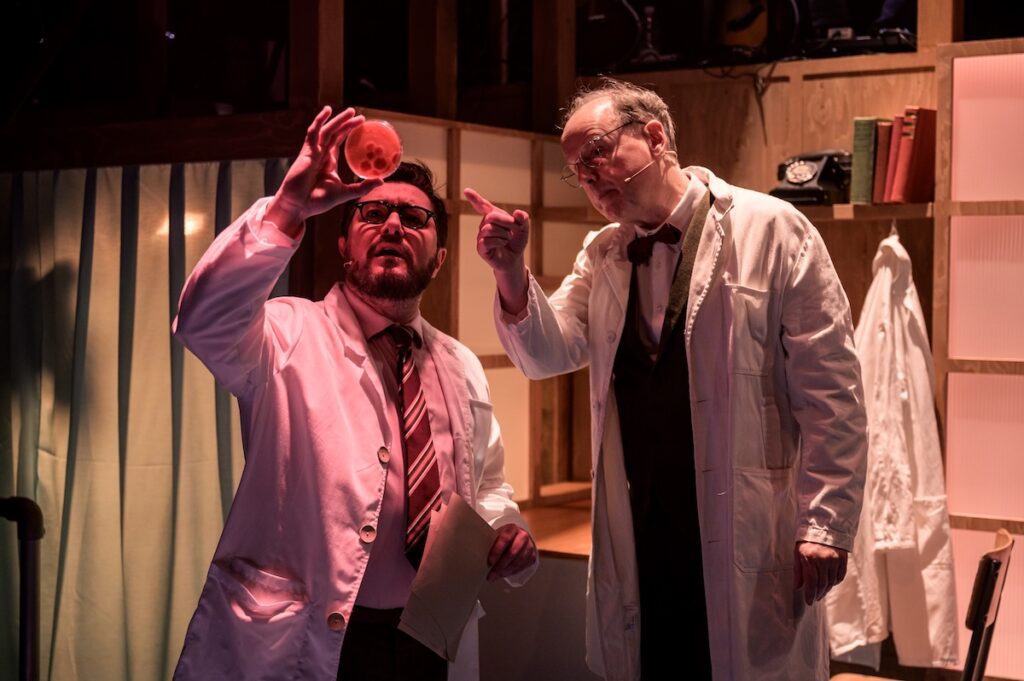
It is certainly a bold idea, a medical melodrama where the narrative toggles between Sir Alexander Fleming, the scientist who discovered penicillin in the 50s, grappling with fame, notoriety and an unrequited romance with Greek scientist Amalia Voureka.
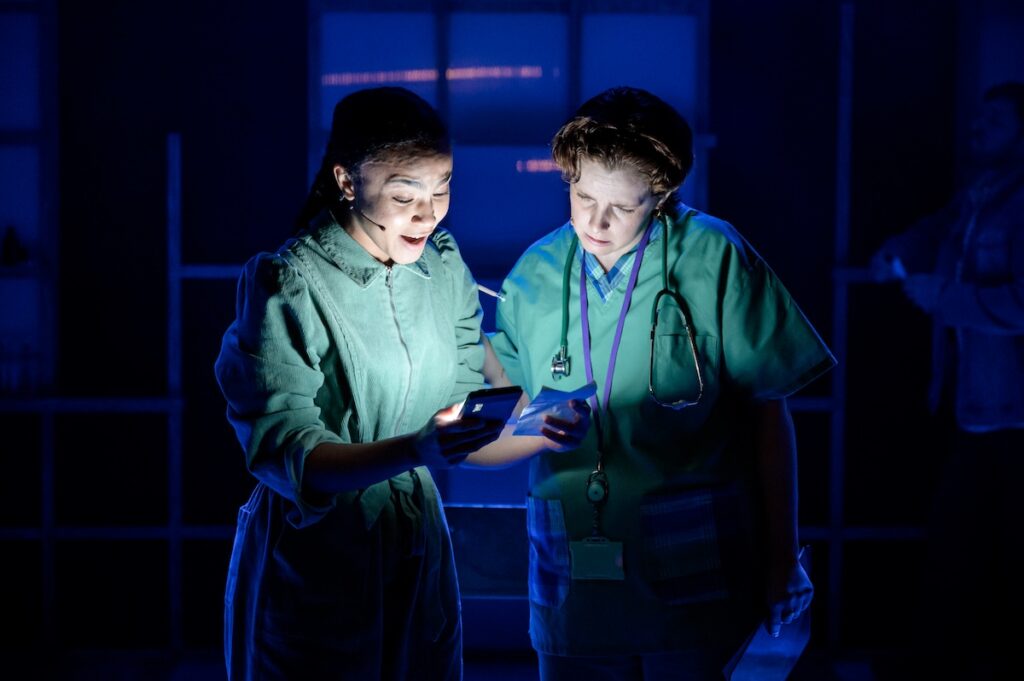
In contrast, we are transported to a present-day hospital in Edinburgh, where junior doctor Jess faces burnout and emotional upheaval when her estranged former boyfriend, now a rock musician, is rushed into her care.
Strong Performances Amid Structural Strain
This dual timeline pushes the boundaries of concentration at times, as the cast undertake swift character changes. However, Jack Vicary remains stalwart, bringing a suitably reserved, slightly bemused air to Fleming.
Kelly Glyptis as Amalia delivers both style and substance, pairing elegant fifties fashion with a rich soprano that cuts cleanly through the evening’s more meandering passages.
Standout Moments in the Present Day
In the contemporary storyline, Maz McGinlay’s Jess is the clear highlight, while Nathan Salstone plays her rock-star ex, Aaron, with a fragile, almost dazed quality. Helen Logan appears as Aaron’s mother, Layla, adding emotional depth.
The rest of the cast, however, feels somewhat interchangeable. While this may be intended to draw parallels across generations, it becomes something of a challenge for the audience, tracking accents, roles and timelines over a two-and-a-half-hour runtime.
Music, Staging and Visual Appeal
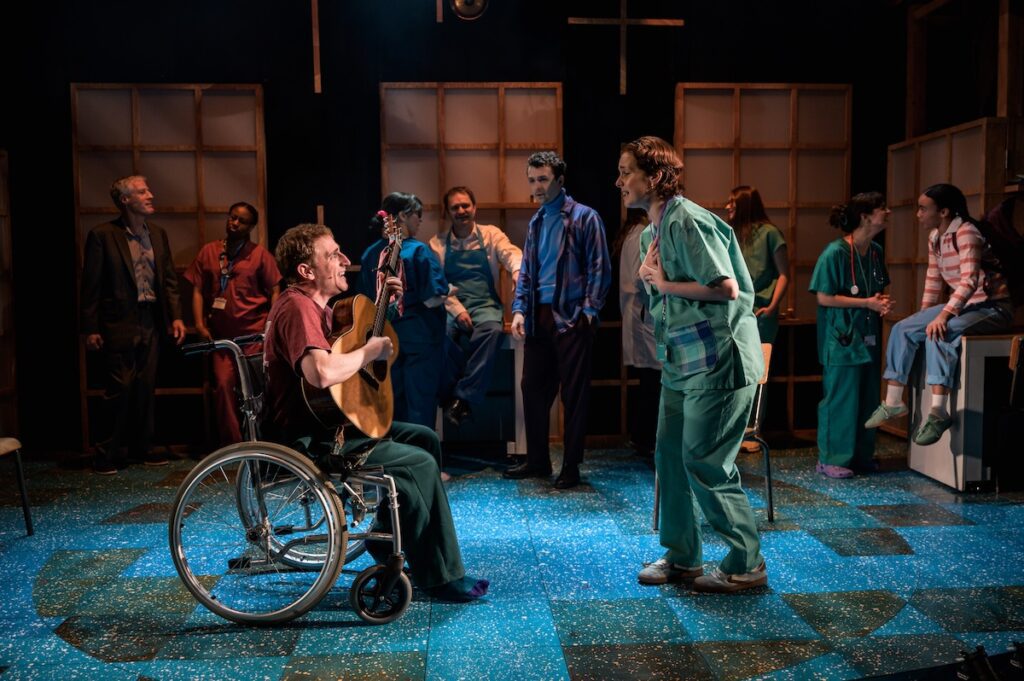
Musically, the show leans into a folk-inflected score, with an onstage band, somewhat conspicuously positioned, providing violin, whistle, guitar and percussion.
The lyrics tend towards predictable rhymes, occasionally undermining their emotional impact. That said, Alice McNicholas’s costumes offer welcome visual variety, and Abby Clarke’s set design effectively captures the clinical claustrophobia of laboratories and hospital wards.
An Important Message That Gets Lost
By the finale, as the cast steps forward to present themselves as representatives of the medical and scientific community, the message is clear and well-meaning.
Unfortunately, after two and a half hours, one feels less enlightened than mildly immune. There is, however, a thoughtful exploration of legacy, love and the human cost of scientific discovery buried within Lifeline. Like the mould at its centre, the production spreads itself thinly across too many ideas without fully bringing them together.
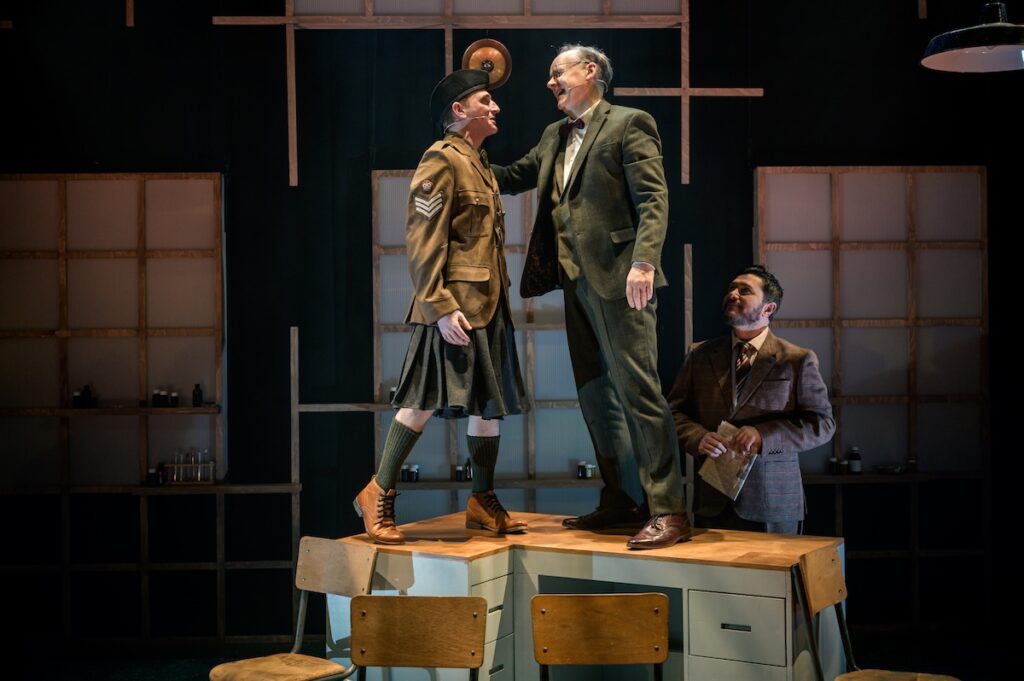
Ambitious and admirable in intent, Lifeline ultimately struggles to balance its weighty themes with narrative clarity, though flashes of brilliance suggest a stronger production lies within.
Catch it at Southwark Playhouse Elephant until 2nd May 2026, 1 Dante Place, London, SE11 4RX. Book tickets here.