Recently, Soho House found itself in the spotlight following a $2.7 billion deal finalised on January 29, 2026. Yet beyond the headlines, its evolving approach to wellness is what’s truly resonating across the capital and beyond.
According to CEO Andrew Carnie, “Members are increasingly seeking fitness, wellness, and longevity services such as Pilates classes, padel courts and IV infusions. New science has come out that tells us we must have strength. We still run clubs, but now we have reformer Pilates studios, HIIT classes, and padel courts.”
What Soho House is tapping into is far from isolated. Across London, the UK, and internationally, a new wave of wellness is taking hold—one that merges boutique fitness with social experience and long-term health. This is not a fleeting trend; it is a shift in lifestyle.
The Personal Shift: From Studio to Court
With longer, lighter days arriving, I’ve found myself drawn outdoors. After more than eight years as a committed Pilates devotee—introduced to it by my mother, who at 74 still swears by its benefits—I felt compelled to try something new.
Enter padel.

Alongside a group of friends, I visited a local court, and while our initial attempts were far from polished, the appeal was immediate. It was social, energising, and refreshingly unpressured. The learning curve only added to its charm, and before long, we were hooked.
This experience sparked a curiosity: what is driving the rapid rise of padel, and how is it intersecting with the broader wellness landscape?
Padelhüd: Where Style Meets Movement
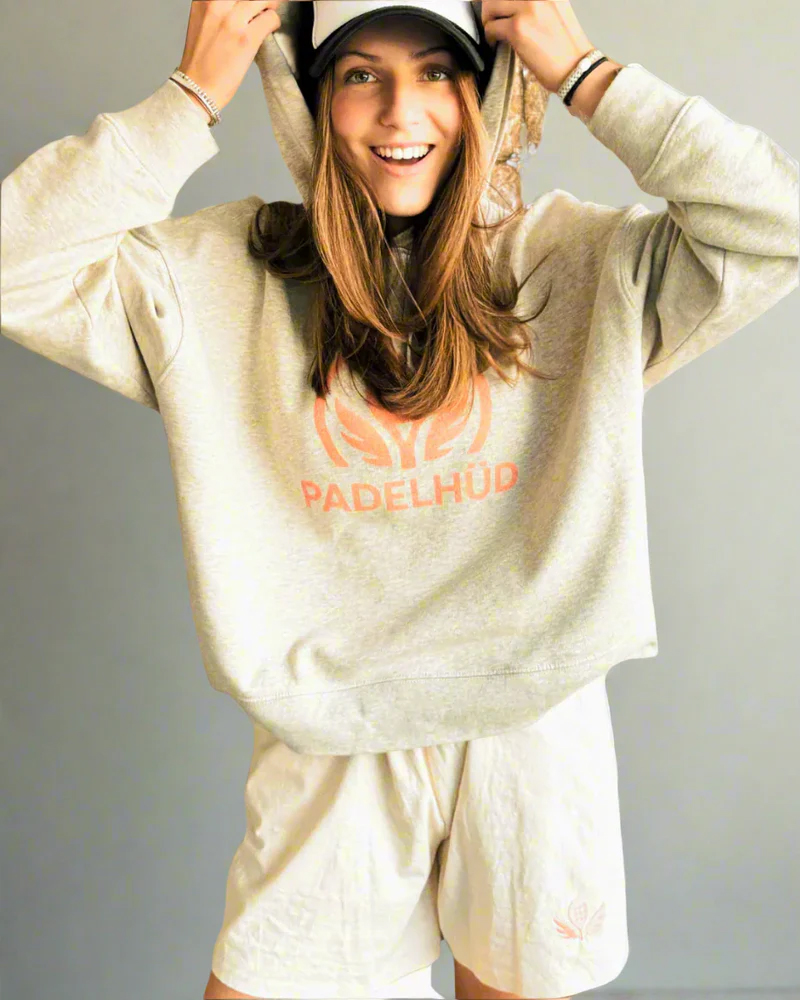
Born from a love of sunshine, movement, and effortless style, Padelhüd positions itself as more than just a padelwear label—it’s a lifestyle. Inspired by a sporty, sun-drenched aesthetic, the brand champions freedom both on and off the court. Its made-to-order production model minimises waste while reinforcing a commitment to slow, considered fashion.
Founder Georgie explains: “Part of it is physical. Padel involves quick directional changes, torso rotation, short sprints and fast reactions. Your legs feel stronger, your core engages, and your shoulders start working in ways they often don’t. For women approaching forty and beyond, those movements matter—bone density and muscle mass become tangible concerns. You feel yourself getting stronger without feeling punished.”
Yet the appeal goes beyond the physical. Padel offers a rare mental reset—a focused, phone-free window of time that feels both nostalgic and restorative. It carries the social energy of a night out, but with clarity the next morning.
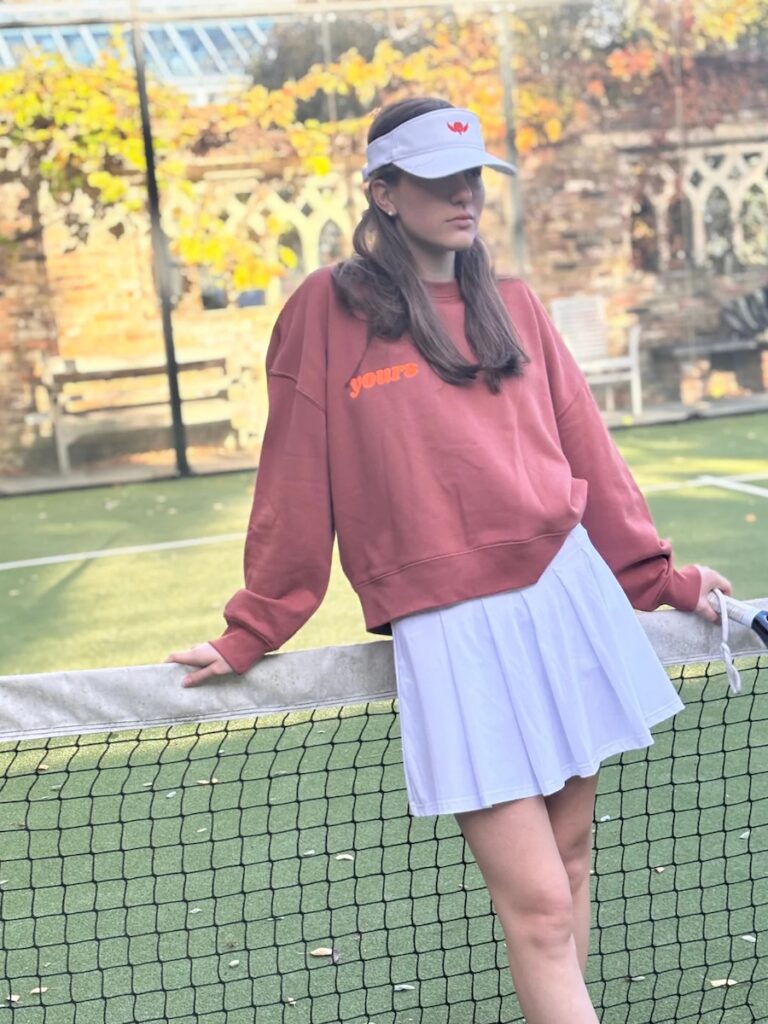
Naturally, a culture is forming around the sport: sunlit courts, relaxed silhouettes, and an effortless transition from play to coffee. As the lines between fitness and lifestyle blur, so too does the wardrobe that accompanies it.
Serve: Redefining the Female Padel Experience
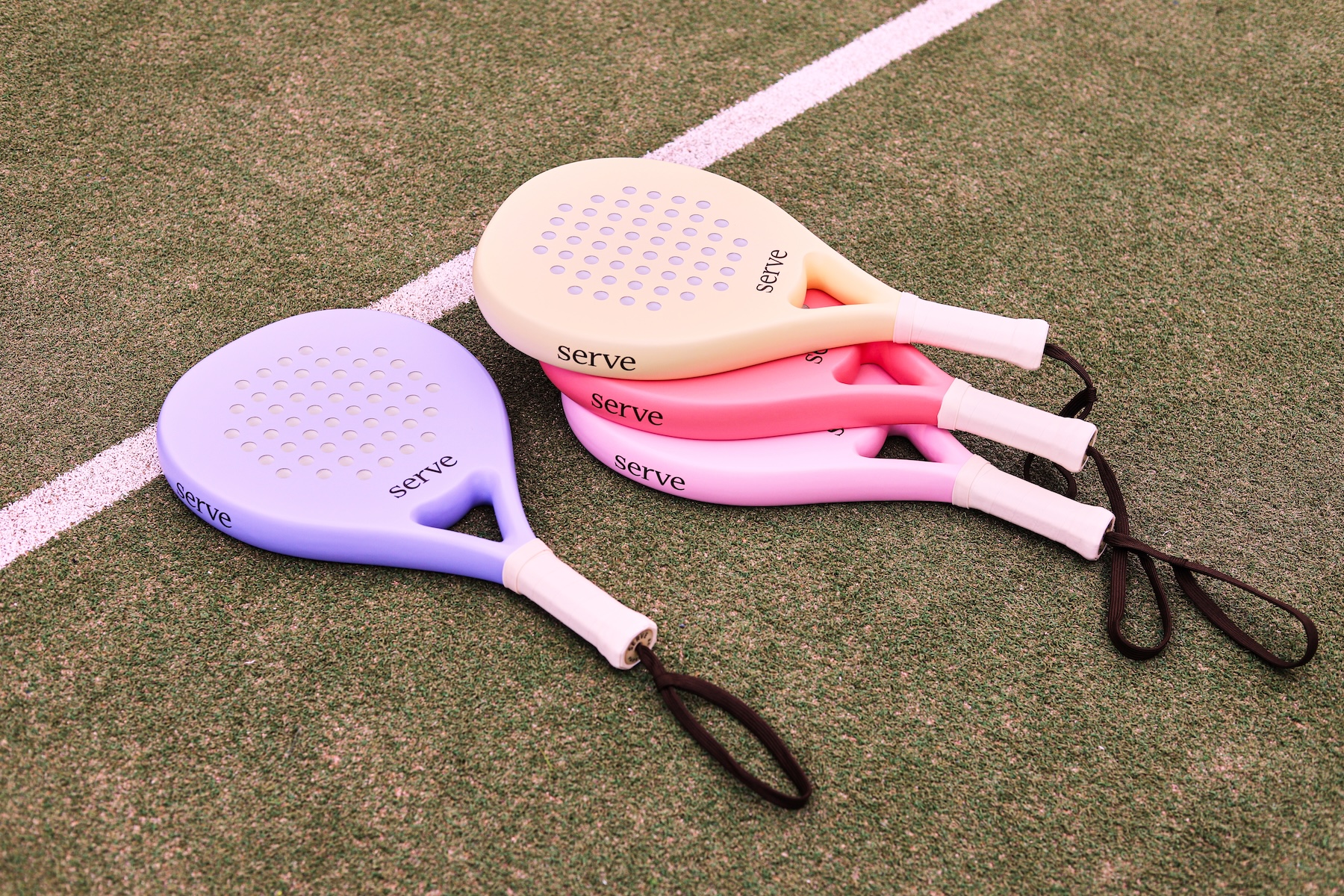
For those seeking an accessible yet design-led entry into the sport, Serve offers a compelling proposition. Launched in 2025 by London-based founder Amy Hall, Serve is the UK’s first fashion-led padel brand created specifically for women. Its arrival coincides with an extraordinary surge in the sport’s popularity—participation in Britain has increased by more than 2,500% since 2019, with over 400,000 players and counting.
Despite women now accounting for approximately 40% of global players, equipment has historically remained technical, monochrome, and largely male-oriented. Serve challenges this narrative.
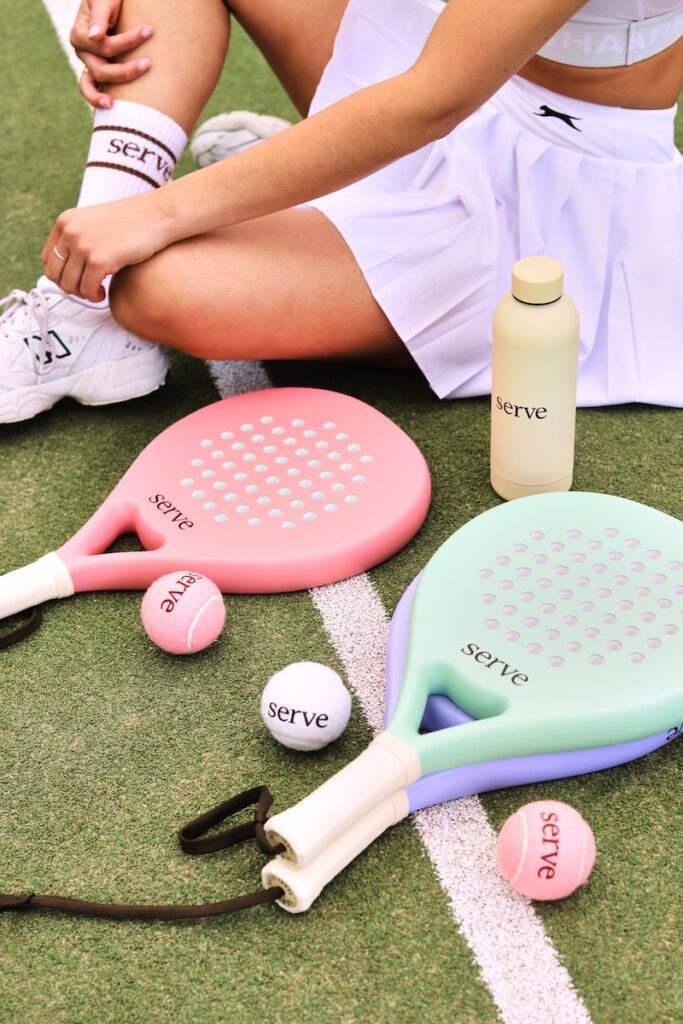
“I was new to the sport myself, and I couldn’t find anything that felt aesthetically pleasing or accessible,” says Hall. “Everything felt intimidating. I wanted to create something confident, design-led, and welcoming.”
The brand’s debut collection features beginner-friendly racquets in elevated pastel and classic tones, retailing at £99.99. Several colourways have already sold out multiple times, signalling strong demand.
Beyond product, Serve is cultivating community through its “Serve Socials”—female-focused introduction sessions designed to remove barriers and foster inclusivity. Collaborations with brands such as L’Oréal further highlight padel’s growing intersection with fashion and beauty culture.
Padel Smith: Craftsmanship at Its Finest
At the more elevated end of the spectrum sits Padel Smith, a British brand redefining performance through craftsmanship. Designed in London and handmade in Andalucía—the heartland of padel—each racket is meticulously crafted by artisans using premium European materials. The process, spanning 18 days, involves lamination, filling, sanding, and painting, resulting in a product that balances precision with durability.
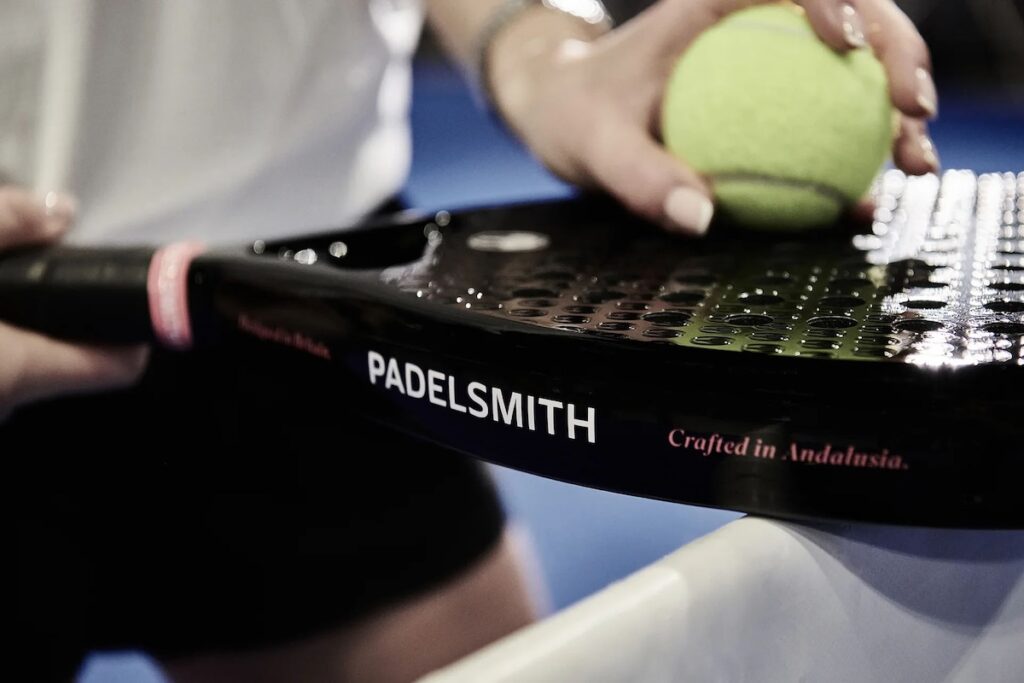
Produced in small batches, Padel Smith prioritises quality over quantity. Its rackets are designed for players who demand excellence—not only from their equipment but from their performance on the court.
A Trend with Staying Power
From reformer Pilates studios to sun-drenched padel courts, the direction of modern wellness is clear. It is no longer solely about fitness; it is about experience, connection, and longevity.
Padel, in particular, encapsulates this shift. It is accessible yet aspirational, social yet physically demanding, and increasingly embedded within a broader lifestyle ecosystem that includes fashion, travel, and community.
If Soho House’s evolution is anything to go by, this is not a passing phase. The fusion of movement, style, and social connection is redefining how—and why—we choose to stay active. And if my own experience is anything to go by, it’s a trend that’s only just getting started.